Trusted by Leading Organizations






Spatial Bytes, led by Dr. Samapriya Roy, delivers advanced Geo AI, cloud-native architectures, and high-performance geospatial data systems. Turning satellite imagery, climate data, and public datasets into scalable, decision-ready intelligence.
Trusted by Leading Organizations
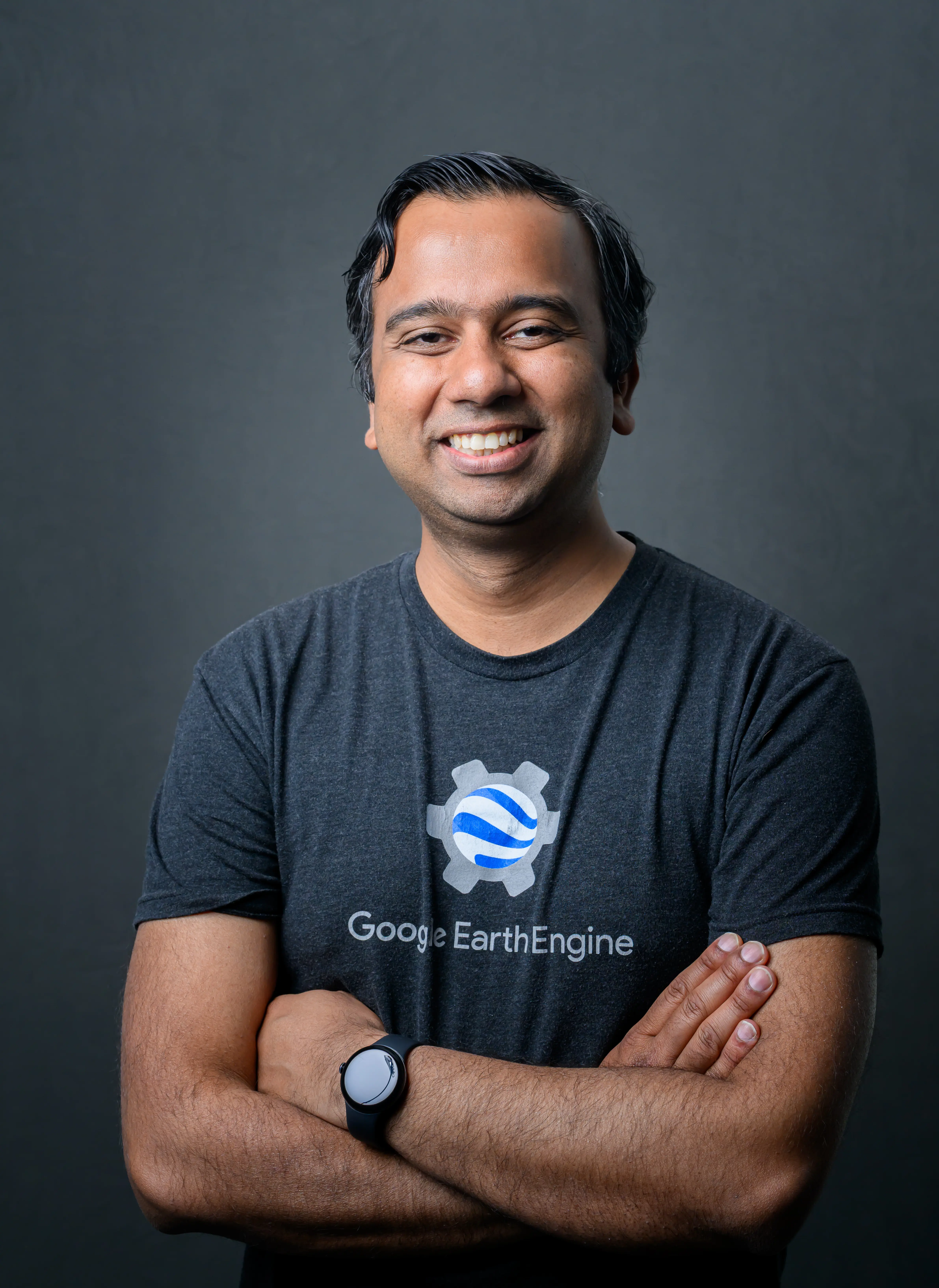
CEO, Spatial Bytes LLC
Dr. Samapriya Roy is a geospatial innovator, advisor, and public speaker dedicated to making Earth observation data more accessible and impactful. As the creator of the Awesome GEE Community Catalog, he leads the largest community-run geospatial repository, providing essential datasets to researchers and developers worldwide.
With a Ph.D. in Geography and extensive industry experience at Planet Labs and Maxar, Dr. Roy has spent his career at the intersection of geospatial technology, product development, and community engagement. Today, as CEO of Spatial Bytes and Research Scientist at DRI, he helps organizations transform complex spatial data into actionable insights through strategic consulting and robust systems architecture.
He actively contributes to global efforts in geospatial education as a Google Developer Expert and NSF NEON Advisor, championing open data and empowering the next generation of spatial thinkers.
Leading strategic geospatial consulting, optimizing enterprise-scale spatial data workflows, and managing petabyte-scale datasets. Spearheading community-driven open-source projects including the GEE Community Catalog.
Developing climate and satellite remote sensing software and cloud APIs. Advancing cloud-native geospatial technologies (Zarr, COG, GeoParquet) to support water and vegetation research.
Optimizing spatial data workflows for conservation, developing scalable habitat mapping models, and collaborating on interdisciplinary climate resilience projects.
Collaborating with the Earth Engine team, facilitating knowledge sharing, and building data commons.
Led Core Infrastructure and APIs, driving developer relations and product capabilities.
Served as the global point of contact for Google Earth Engine integration, championed developer products, and grew the research community.
Expertise at Scale
From advising on platform architecture to building custom Geo AI pipelines.
Building intelligent systems that understand spatial relationships and derive insights from geospatial data at scale.
Architecting robust solutions for efficient movement, processing, and management of massive geospatial datasets.
Strategic advice on platform selection, implementation, and optimization for geospatial workflows.
Keynotes, panels, and technical talks on Open Science, GeoAI, and the future of Earth Observation.
Custom workshops and training sessions to upskill teams on Google Earth Engine, Cloud-Native Geospatial tools, and modern workflows.
Deep-dive sessions to translate complex scientific goals into clear, actionable technical requirements and architectural roadmaps.
Expert review of geospatial platforms and applications to ensure intuitive design, optimal performance, and user-centric workflows.
Force-multiplying geospatial science through community tools and high-impact consulting.
The comprehensive community resource for Google Earth Engine. A curated catalog of datasets enabling researchers worldwide to access open geospatial data easily.

Open Oceans is an open-source collaborative initiative that catalogs specialized command-line interface (CLI) tools for programmatically accessing and analyzing open ocean data. It serves as a bridge between ocean science communities and the broader geospatial data ecosystem.
Related to NASA CSDA, University of Arizona & Planet Labs: Developed a
custom licensing solution and automated ingestion pipelines that unlocked massive imagery
archives.
Outcome: Scaled data usage from under 1 million to over 52 million sq.
km in a single week.



Helped a research consortium integrate Google Earth Engine with NASA's cloud data catalogs. By leveraging the community catalog to find rare datasets and writing custom code to process millions of new records, Spatial Bytes bridged the gap between raw data and scientific discovery.